Here’s What You Need to Know About Losing 3 Pounds in a Week
Our goal is to publish weight loss content with integrity, science-backed reporting, and insight on what you can realistically accomplish while attempting to lose weight in a healthy way. We feel it’s important for you to know that the biological connection between health and excess weight isn’t straightforward—and your BMI or the number on the scale is not a solid measure of health. Read more about the ways diets and diet culture can impact your physical and mental health.

Let’s just get this out of the way: It’s basically impossible to lose five actual pounds of body fat in a week. (If the scale changes, it’s because you mostly lost water weight, which you’ll gain right back with a salty meal.) Trying to lose this much this quickly is dangerous and pretty much ensures you won’t reach your weight loss goals at all.
1. Focus on eating quality foods, not counting calories.
Yup, that means don’t bother doing the math. Instead, put your attention toward incorporating more fruits, veggies, protein sources, and whole grains into your diet, says Wendy Leonard, RD, founder of Rhode Island Nutrition Therapy. Ya know, foods with lots of nutrients and vitamins.
If you focus on the quality of food, there’s a good chance you’ll eat more nutrient-dense options that leave you satiated, adds Lauren Sullivan, a registered dietitian with Cleveland Clinic’s Center for Human Nutrition. This can translate to naturally eating fewer calories without having to overthink it.
Counting calories can take the enjoyment out of eating, Zeitlin says. It can also lead to an unhealthy obsession with staying under a certain calorie count or working out just to burn calories. Thinking of food as food and not a math problem can solve those issues.
Want some more specific suggestions? Loneke Blackman Carr, PhD, RD, assistant professor of community and public health nutrition at the University of Connecticut recommends checking out the Dietary Guidelines for Americans to learn how to build a balanced, nutrient-rich plate.
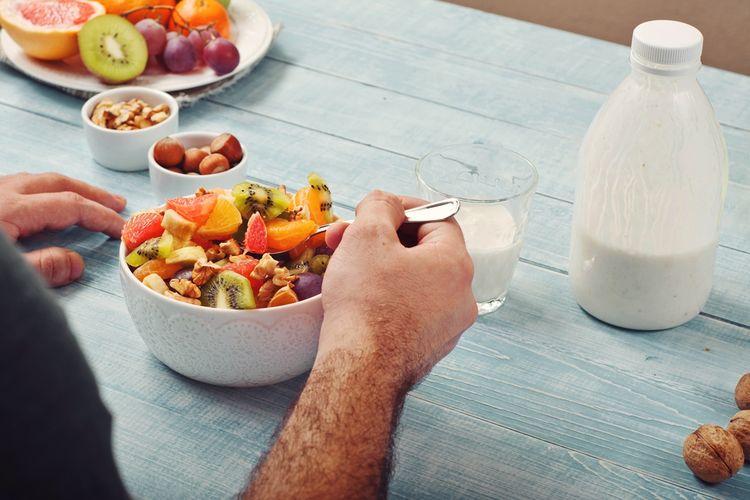
2. Don’t skip meals.
.jpg)
Ignoring your hunger is never a good idea since your body functions best when you eat at regular intervals during the day, says Alicia Romano, RD, a clinical registered dietitian at the Frances Stern Nutrition Center at Tufts Medical Center in Boston, Massachusetts. Doing so helps to control your blood sugar so you can avoid the spike and crash that comes with eating a big meal on an empty stomach.
Eating regularly also keeps you energized and less likely to snack on sweet stuff throughout the day, Zeitlin says. “Feeling sluggish and blah triggers you to look for convenient grab-and-go food options.” To be clear: These foods aren’t “bad foods,” and you don’t need to avoid snacks or packaged goods to lose weight. Zeitlin notes that you should eat this (and any type of food) mindfully and when you actually want it, not because your body is deprived and craving energy.
Zeitlin recommends eating every three to four hours throughout the day. Whether that’s a snack or meal, it’s just about putting some type of energy into your body.
Eating more often is also good for keeping your metabolism running efficiently. “Your metabolism is the engine for your entire body. If it’s gone too long without food, it starts to slow down to make sure it has enough gas left for essential things to run properly. Weight loss is not essential,” Zeitlin explains. When you eat regularly and don’t leave your metabolism wondering when it’s going to be refueled next, it’ll run consistently.
3. Eat fruits and veggies with every meal.
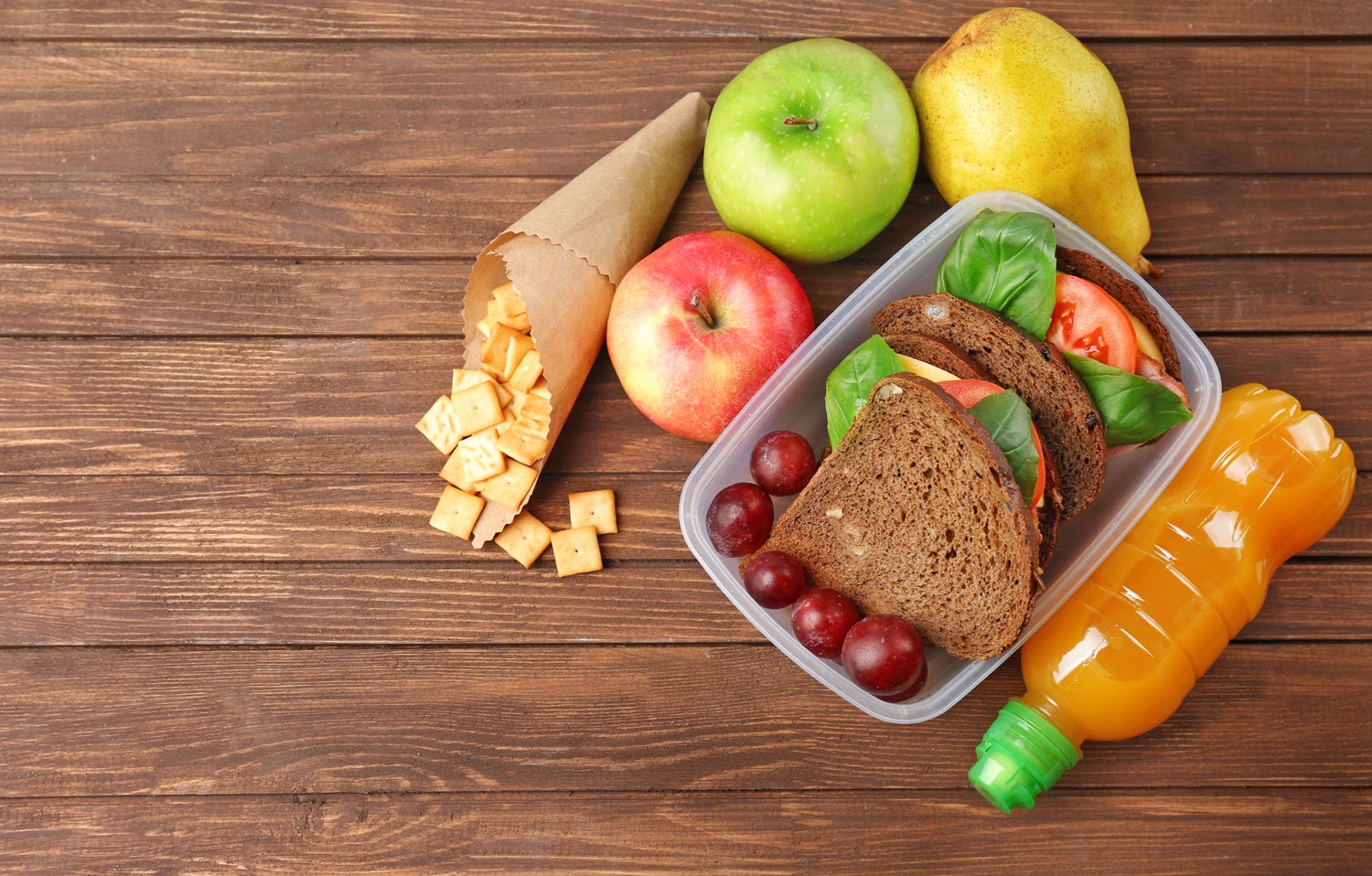
Yes, your mom was right (again). Fruits and vegetables are good for you, and we all probably need to eat more of them.
Vegetables—especially non-starchy vegetables like spinach, asparagus and celery—provide a ton of nutrients and fiber, explains Leonard. Fiber slows the digestion process and optimizes fullness and nutrient intake at mealtime, so eating it at every meal can help you feel satiated longer after eating, Romano adds.
Eating a diet rich in fruits and veggies has also been proven to boost health in other ways, with studies finding protective benefits against heart disease and type 2 diabetes, Williamson says.
So how much are we talkin’? “Half your plate should be fruits and vegetables,” Williamson says. The rest should be a quarter protein and a quarter whole grains. Of course, this isn’t a hard-and-fast rule, but roughly dividing your plate into these proportions can help you make sure you’re eating nutrient-rich plants at every meal.
4. Keep a food journal.
If the idea of jotting down everything you eat in a day makes you feel guilty or anxious, skip this entirely. That said, people who track what they eat (as in foods not calories) tend to be more successful in losing weight because it raises awareness about what they’re noshing on, says Elizabeth Mayer-Davis, PhD, a registered dietitian and chair of the Department of Nutrition at the University of North Carolina at Chapel Hill. In fact, a series of studies published in the Journal of Personalized Medicine suggest that those using apps to monitor their diet and activity were more likely to experience an increase in weight loss.

Zeitlin recommends keeping a food journal where you write down what you eat at each meal and snack and when. That way, you can look back and learn if you’re really eating as many veggies as you think you are or if you’re eating regularly or accidentally skipping meals on busy days.
You can also try a photo food journal app like Ate Food Journal, Leonard suggests. She notes that people tend to like this approach better because opening an app and snapping a quick pic is way less tedious than writing down every little detail about your meals throughout the day. And it’s just as effective.